The oversized gym is dead
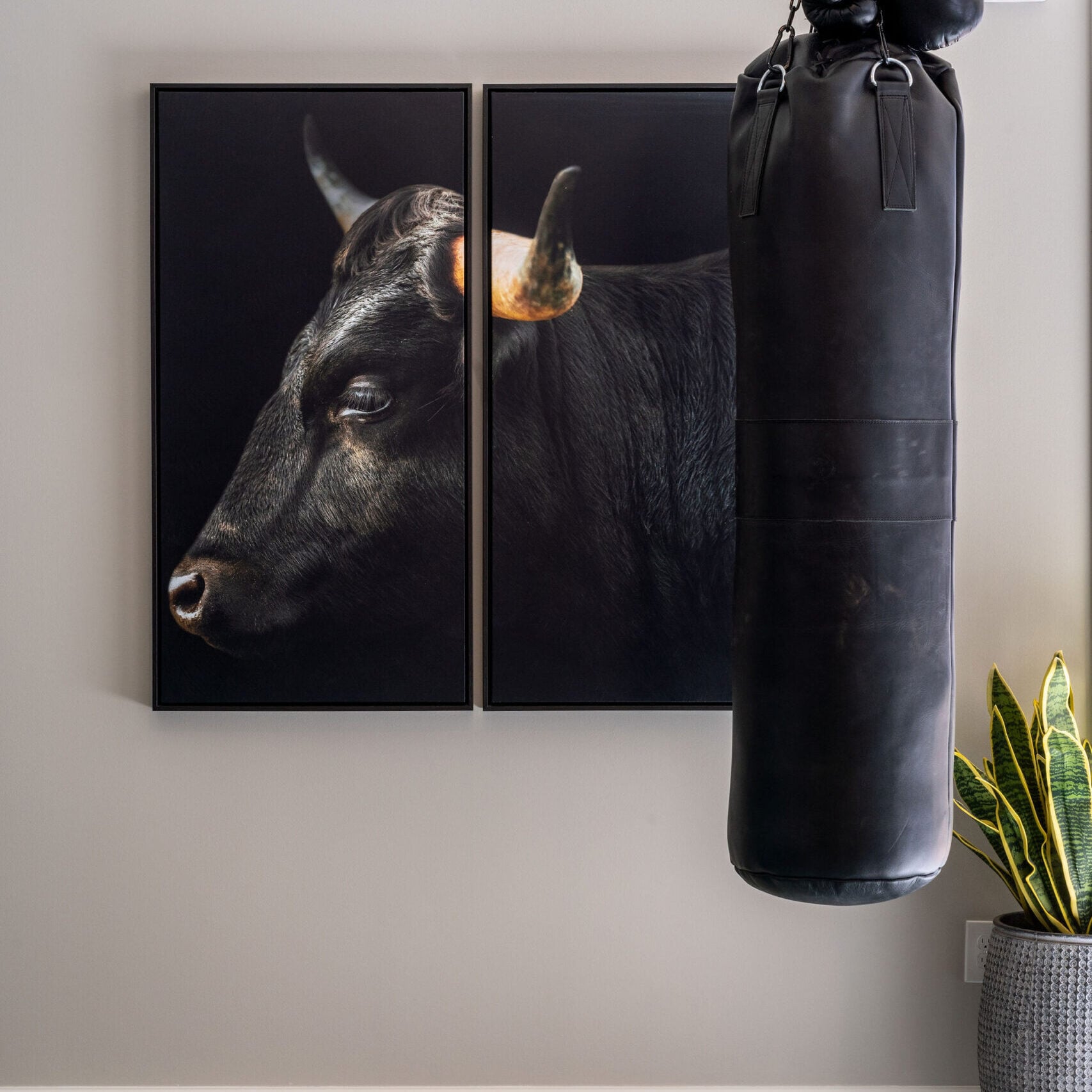
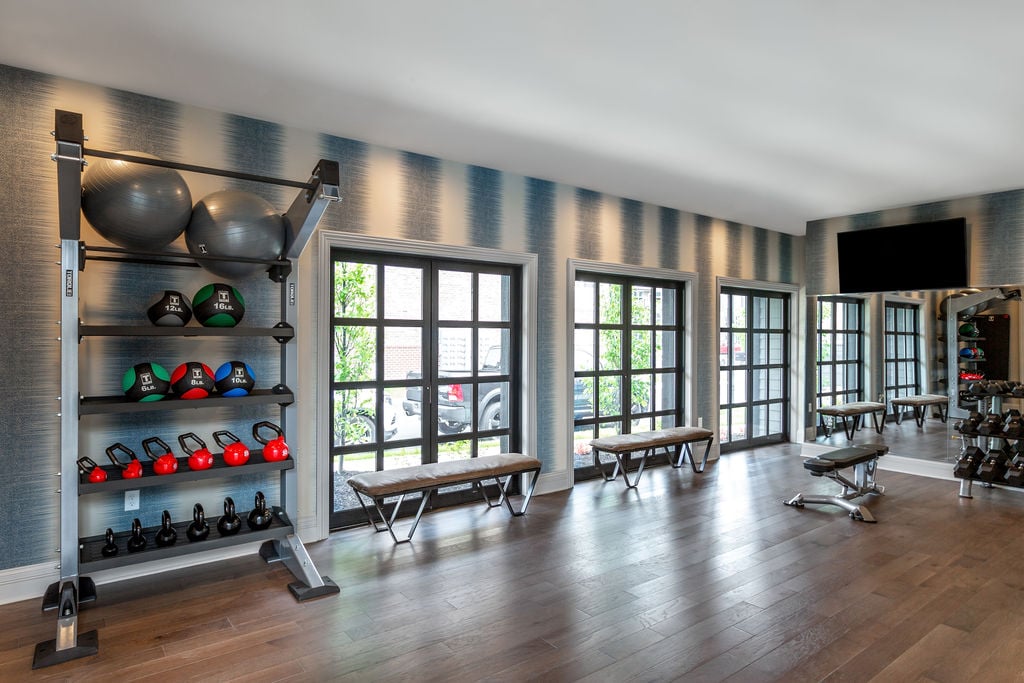
For a decade, multifamily wellness meant square footage: rows of cardio equipment, a weight rack, maybe a yoga corner nobody used past the first month. That model is giving way to something smaller and smarter — curated wellness suites that function like a destination within the building rather than a box to check on the amenity list. Compact, low-maintenance, and built around how residents recover and reset, not how a floor plan looks on paper.
The wellness you can’t see matters just as much
The visible amenities get the photos, but the invisible ones do a lot of the emotional work. Circadian lighting that shifts with the time of day, advanced air filtration, acoustic design that keeps a building from feeling like it’s amplifying every hallway conversation and thermal comfort that’s consistent room to room. Residents can’t always name why a building feels good to be in — but they feel it, and it shapes how long they stay.
Amenities plus programming beats amenities alone
A sauna suite sitting empty is still just square footage. The properties seeing measurably stronger retention are the ones pairing physical wellness spaces with real programming — nutritionists, movement challenges, mental health workshops. The space creates the opportunity; the programming is what turns it into a habit.
Design for flexibility, not novelty
The smartest wellness investments do double duty: a sauna suite that also works as a recovery lounge, a fitness zone built for both a HIIT class and a slow restorative stretch session. Rather than treating wellness as a single room, think of it as a circuit — a loop through the building that residents move through, rather than one gym tucked in a basement that they visit out of obligation.
The real ROI inflection point isn’t the ribbon-cutting photo. It’s the moment your amenity program becomes a place residents look forward to revisiting — not just another bullet point on the listing page.
Crimson Design Group designs amenity spaces that perform, not just photograph well. If your community’s wellness offering needs a rethink, let’s talk.