What “experiential” looks like at scale
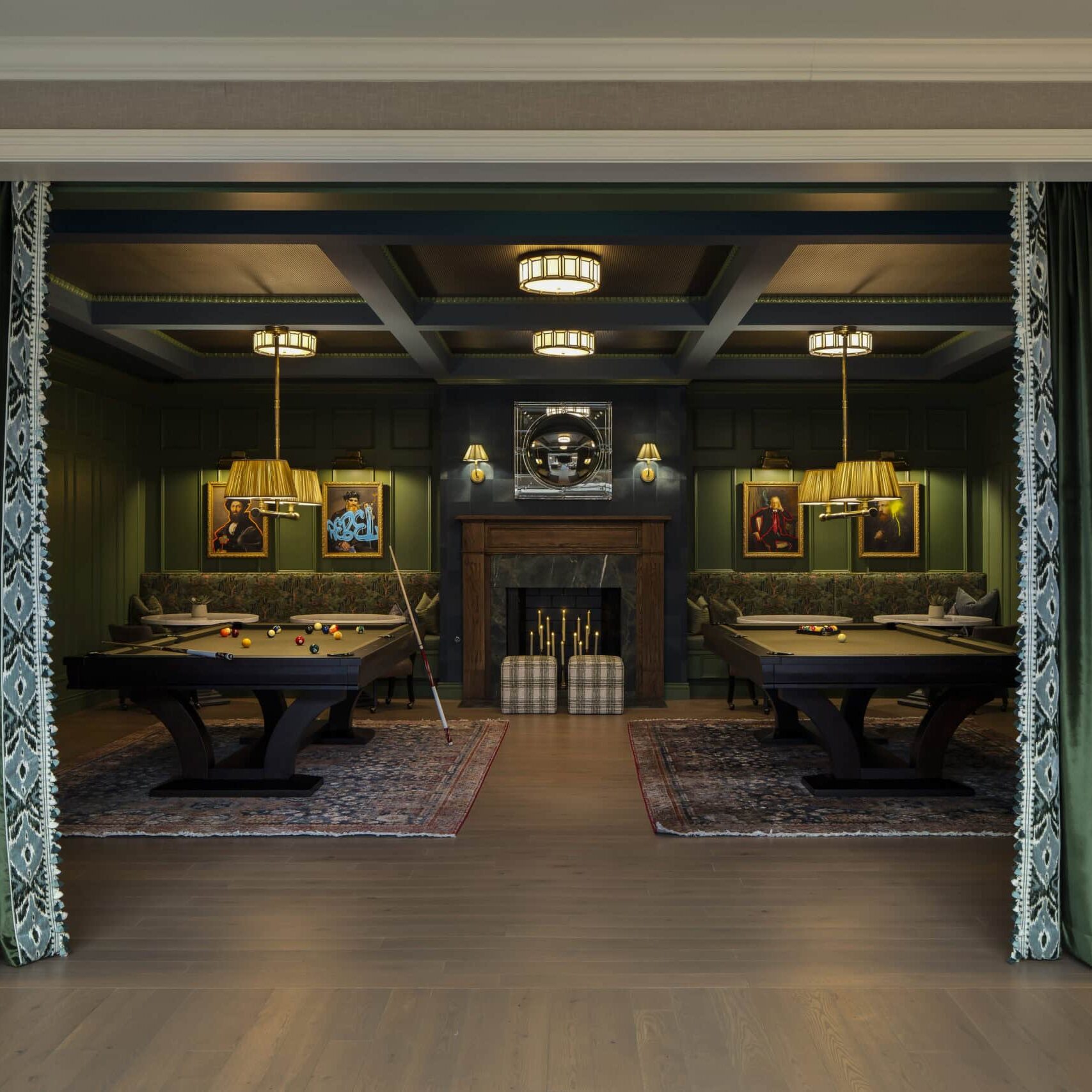
Crimson’s longtime partner, Preferred Living, has built an entire brand around this philosophy. Their clubhouses feature Starbucks-equipped cafés, billiards rooms, multi-story climbing walls, golf simulators, wellness centers with saunas and cold plunges and curated game rooms — not as novelties bolted onto a standard floor plan, but as a consistent design philosophy applied throughout the properties and intentionally selected for what the community would find genuinely enriching to their day to day. The result has been record lease-up velocity: when Preferred delivered an experiential community alongside comparable garden-style properties in the same market, the experiential property absorbed residents measurably faster, at nearly identical rents.
The amenity isn’t the amenity — the design wrapper is
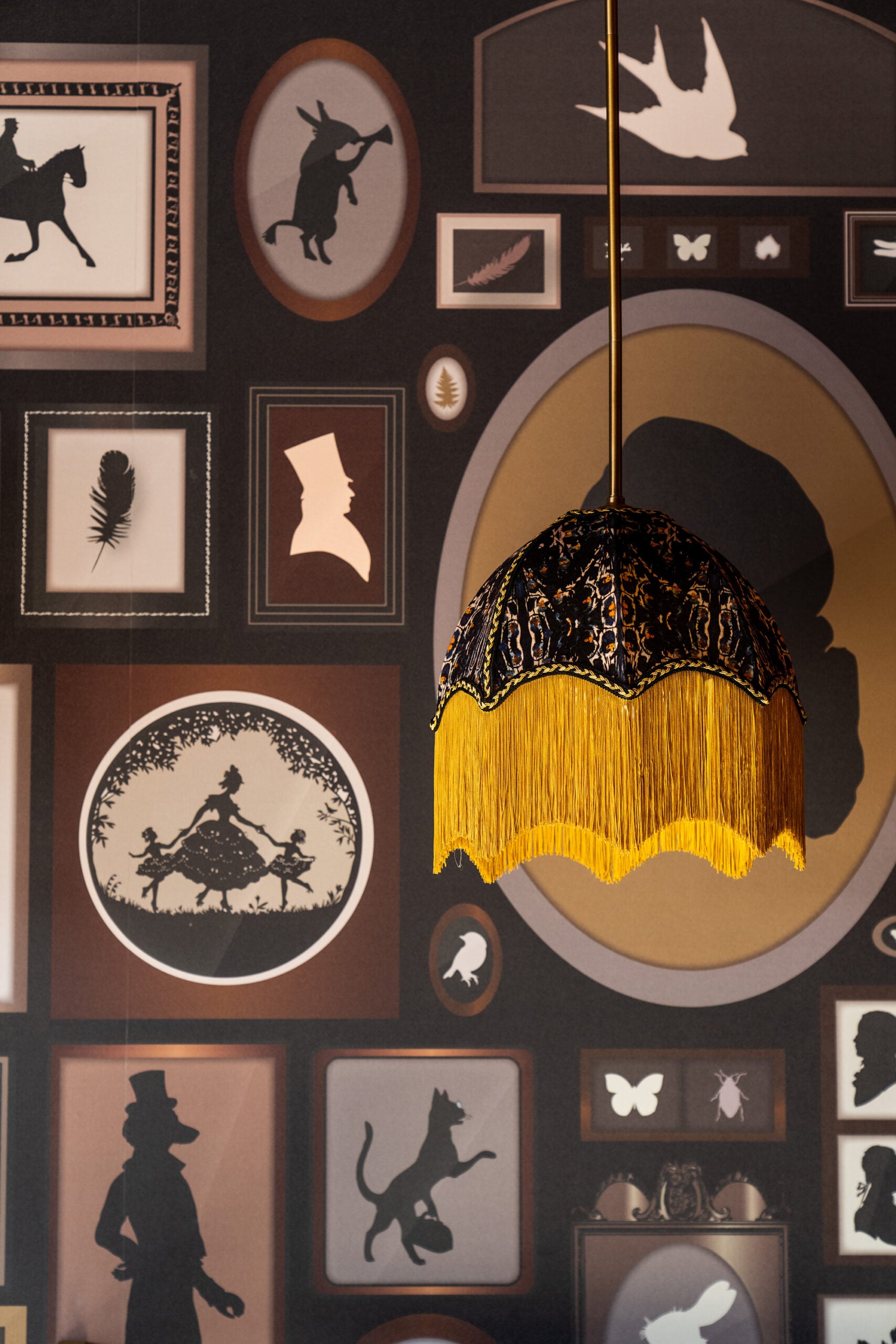
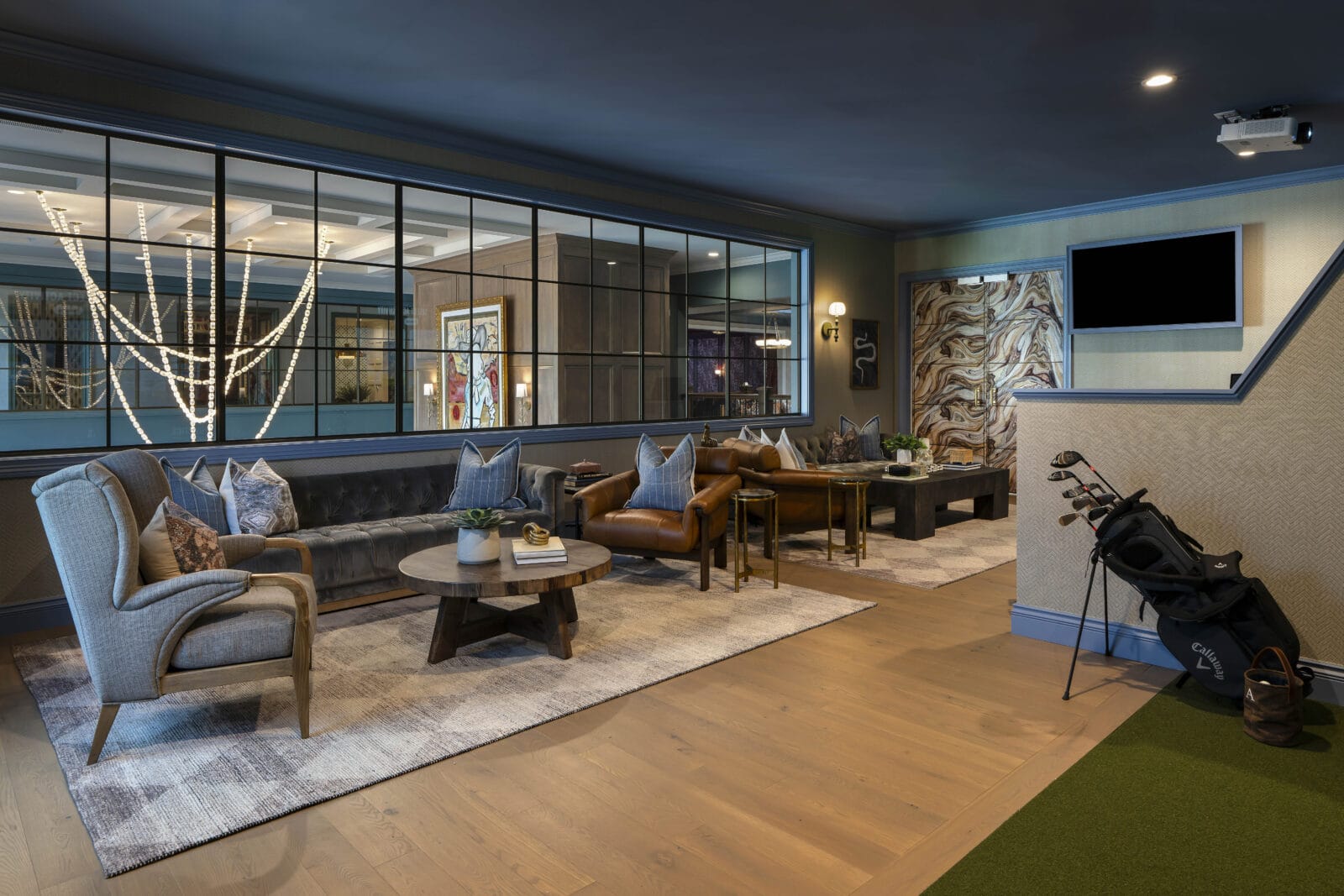
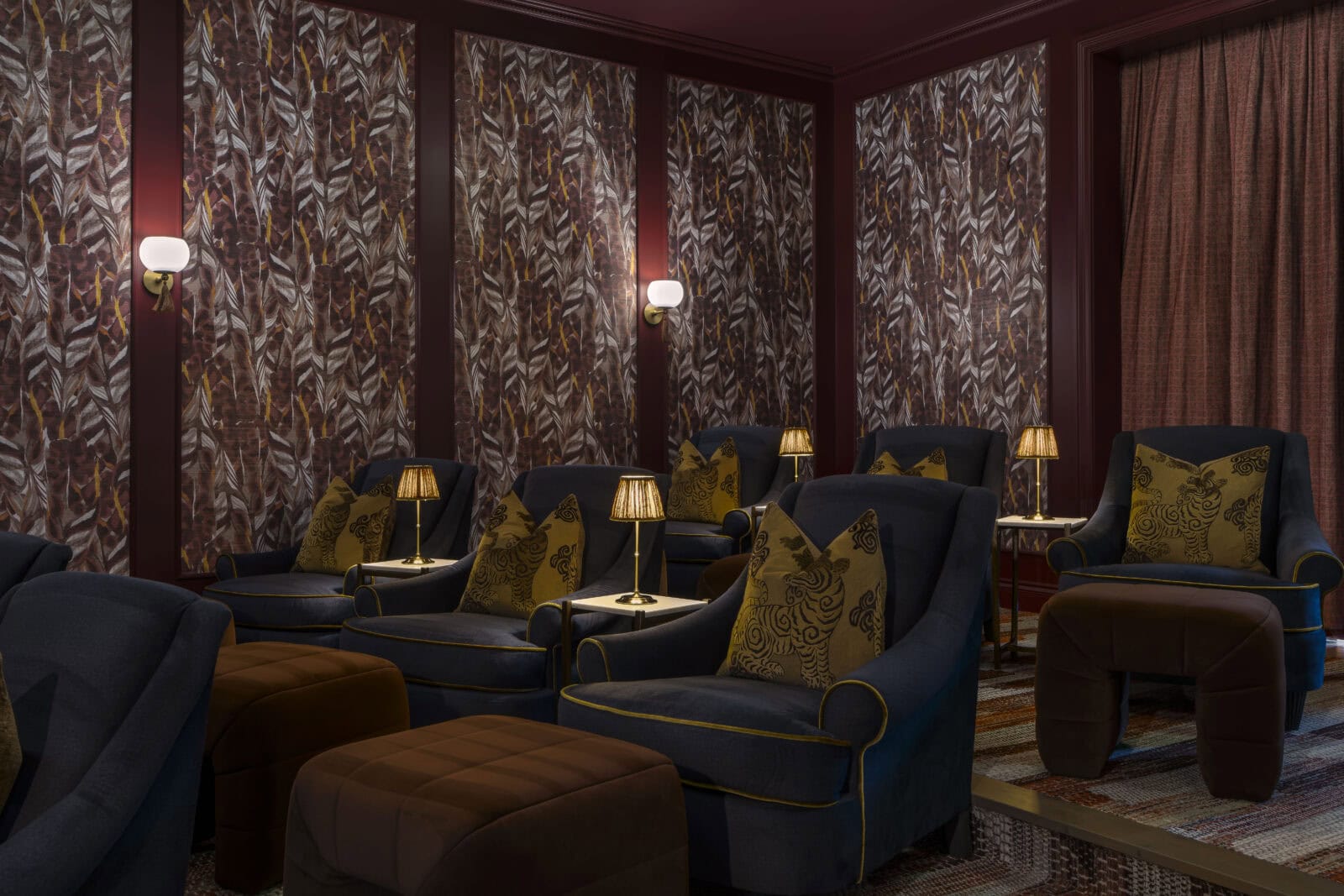
A golf simulator in a room with flat paint and drop ceilings feels like an afterthought, no matter how impressive the technology is. That same simulator, placed in a room with custom millwork, moody wallcovering, and architectural lighting, feels like a private club. The equipment doesn’t change but the design wrapper around it is what elevates the amenity from a bullet point on a listing to something residents brag about.
Case in point: Alamira
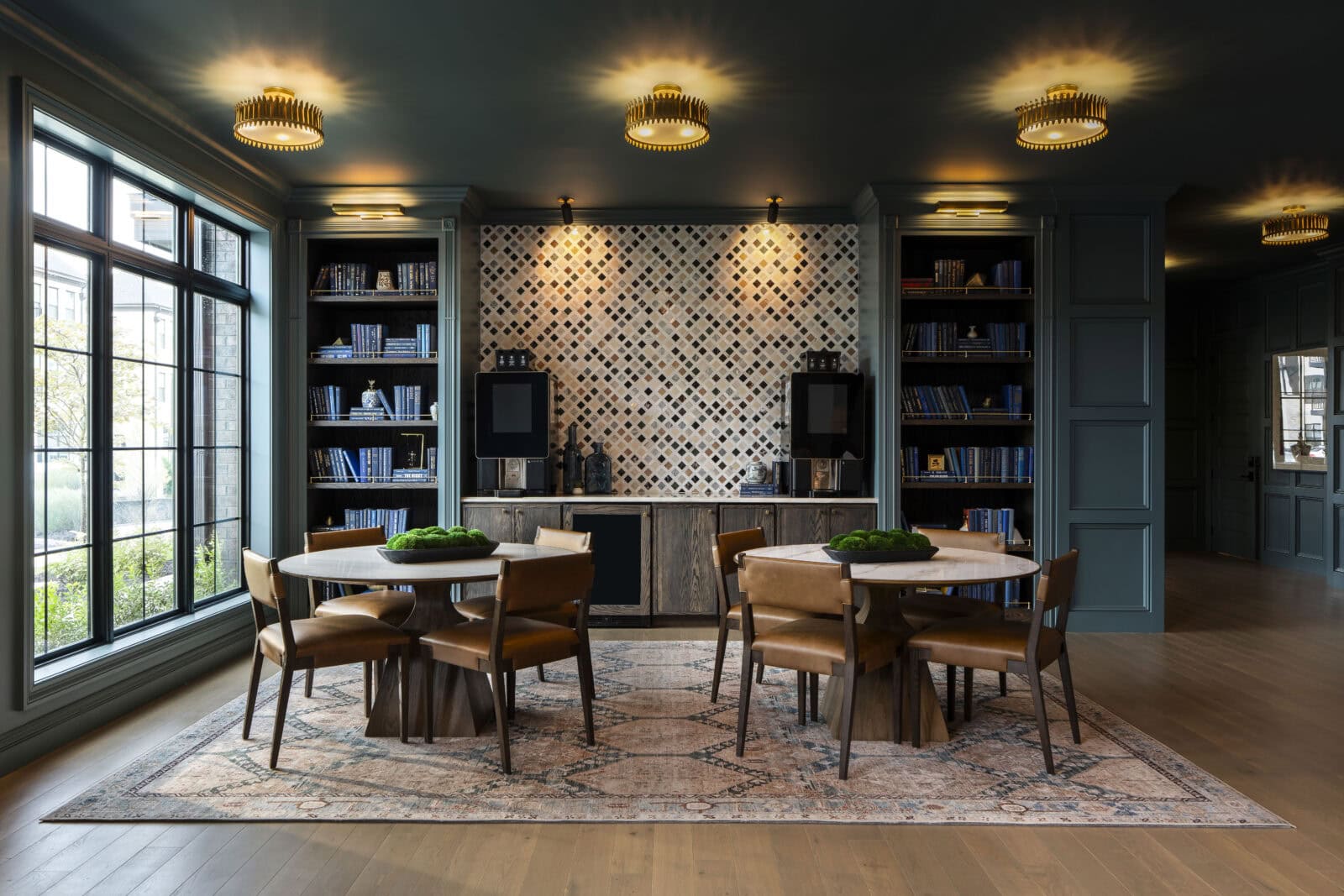
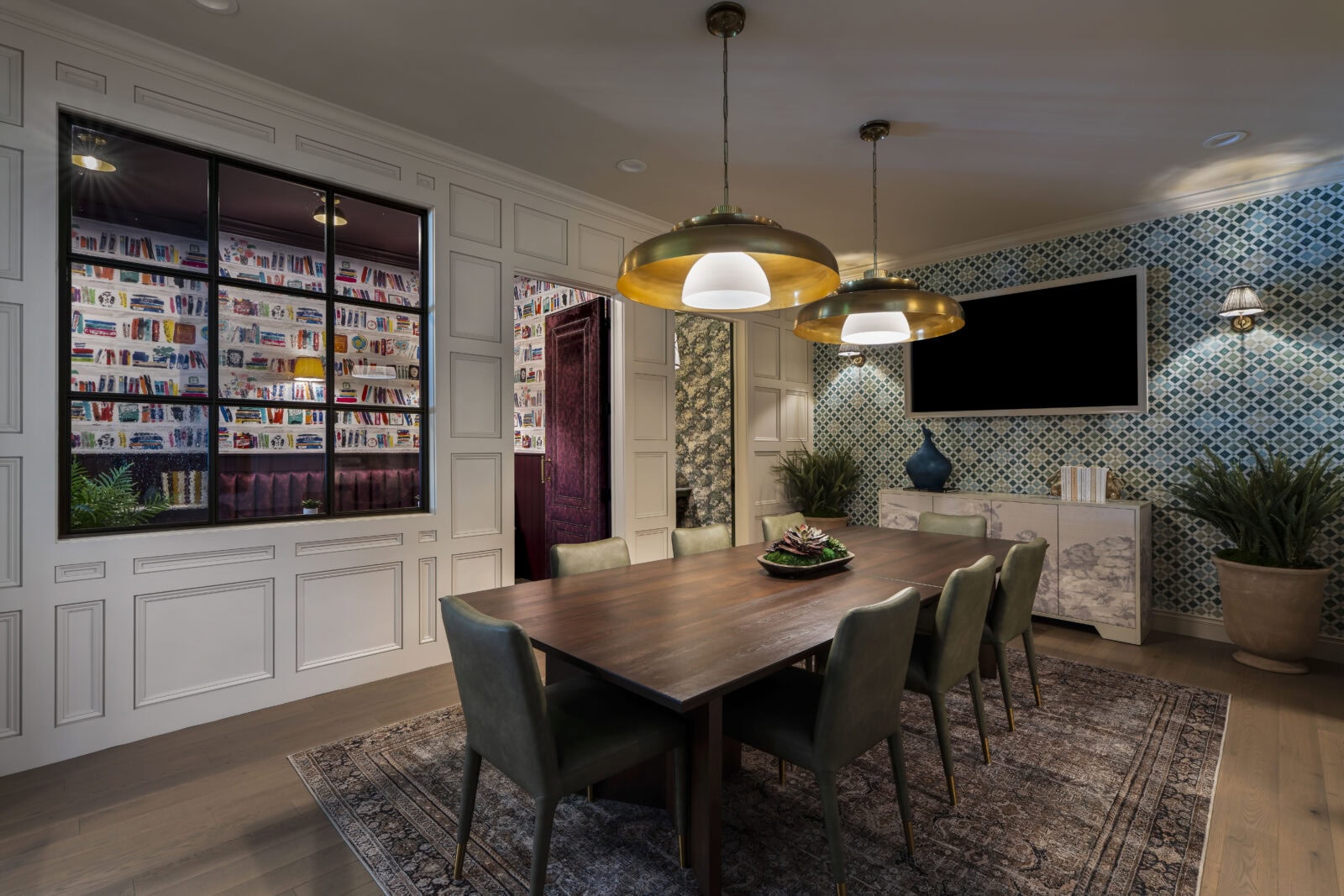
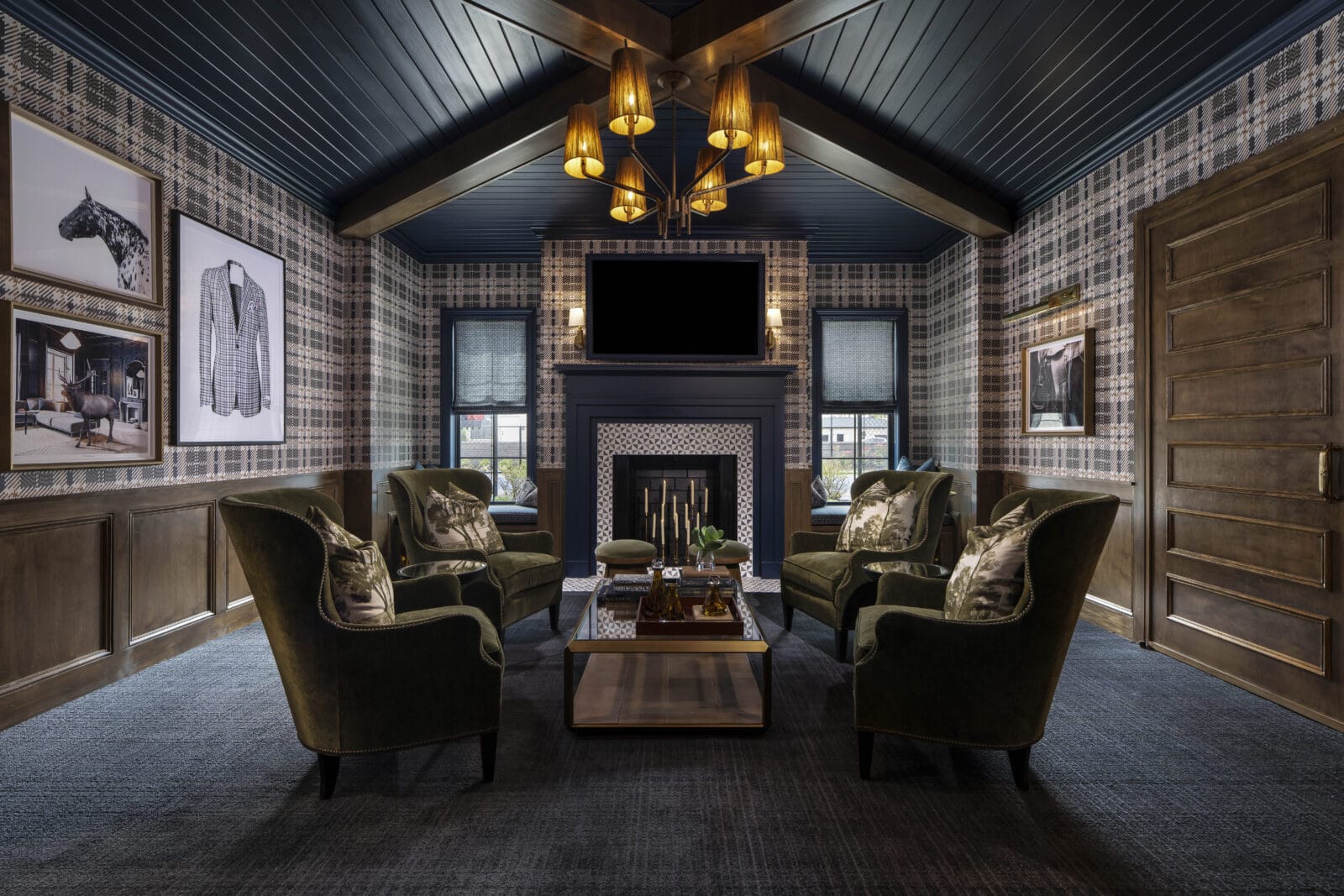
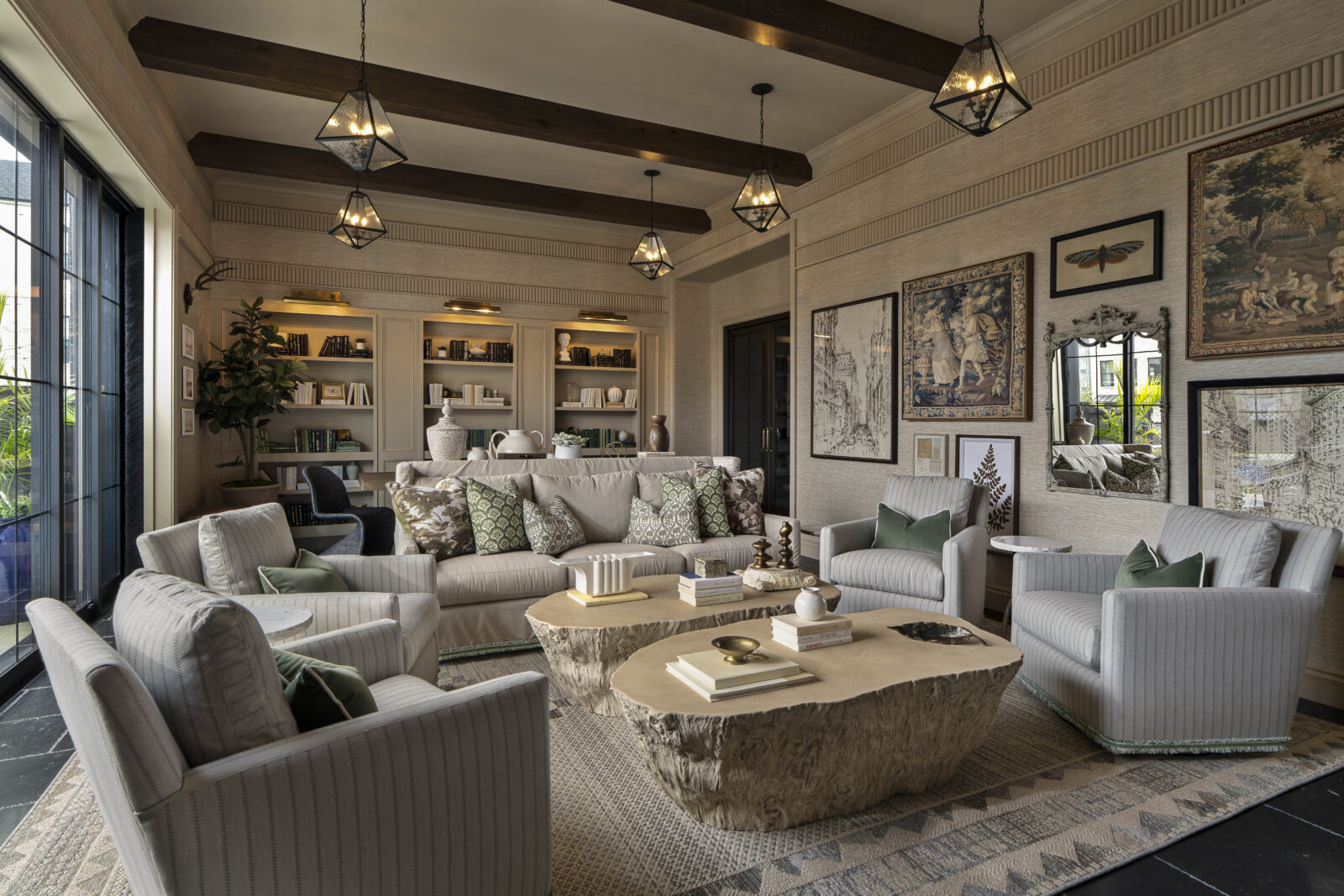
Preferred Living’s Alamira clubhouse in Columbus is what happens when that design-wrapper principle gets a real budget behind it. It’s PL’s largest clubhouse to date, and the brief from day one wasn’t just “build something nice” but to build the most ambitious amenity space in the company’s portfolio — something Columbus hadn’t seen before — with an explicit target: boutique hotels around the world, not the property down the road. The goal went beyond one building, too. This was about putting PL’s name at the front of the conversation on design in the multifamily industry, recognized well outside Ohio.
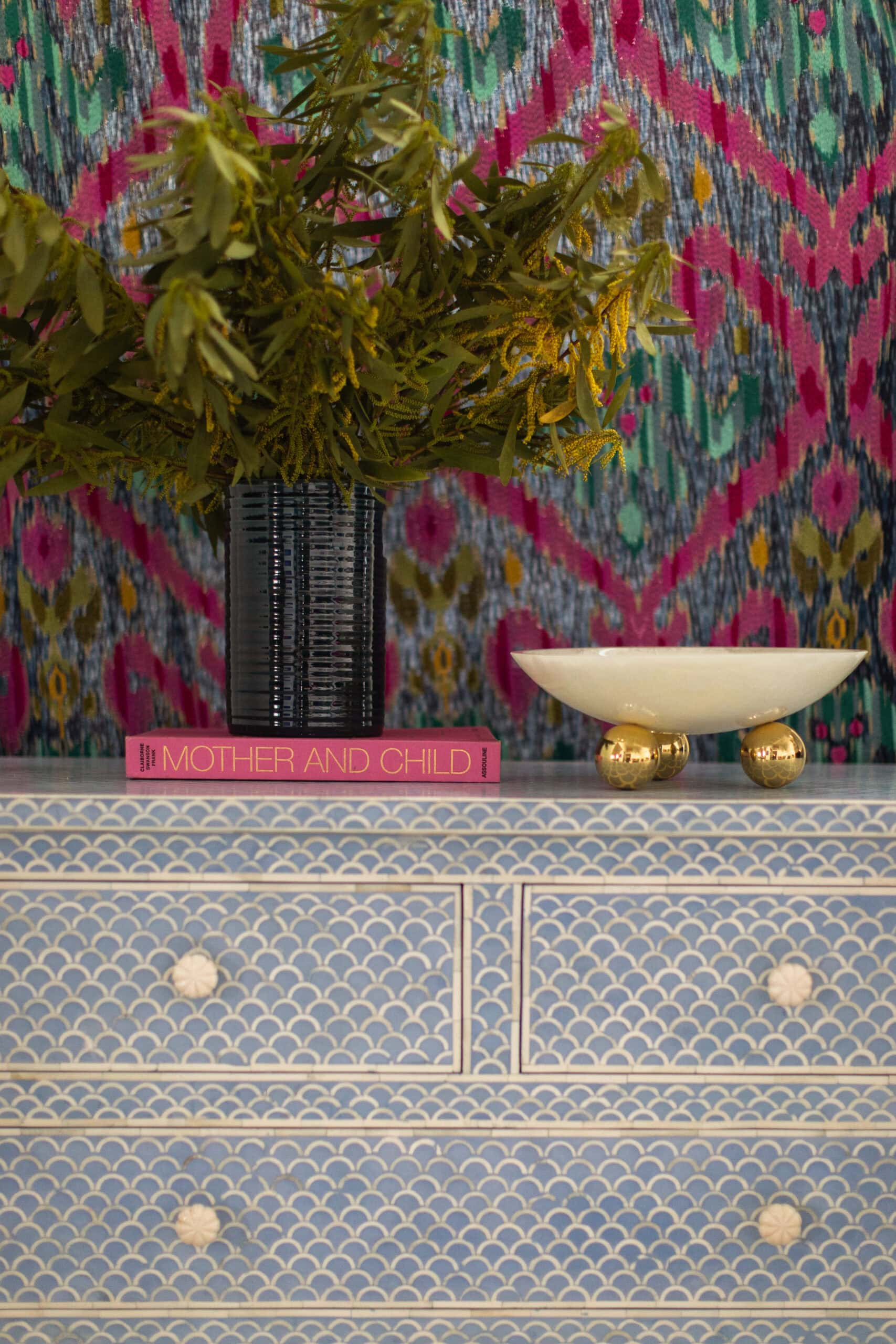
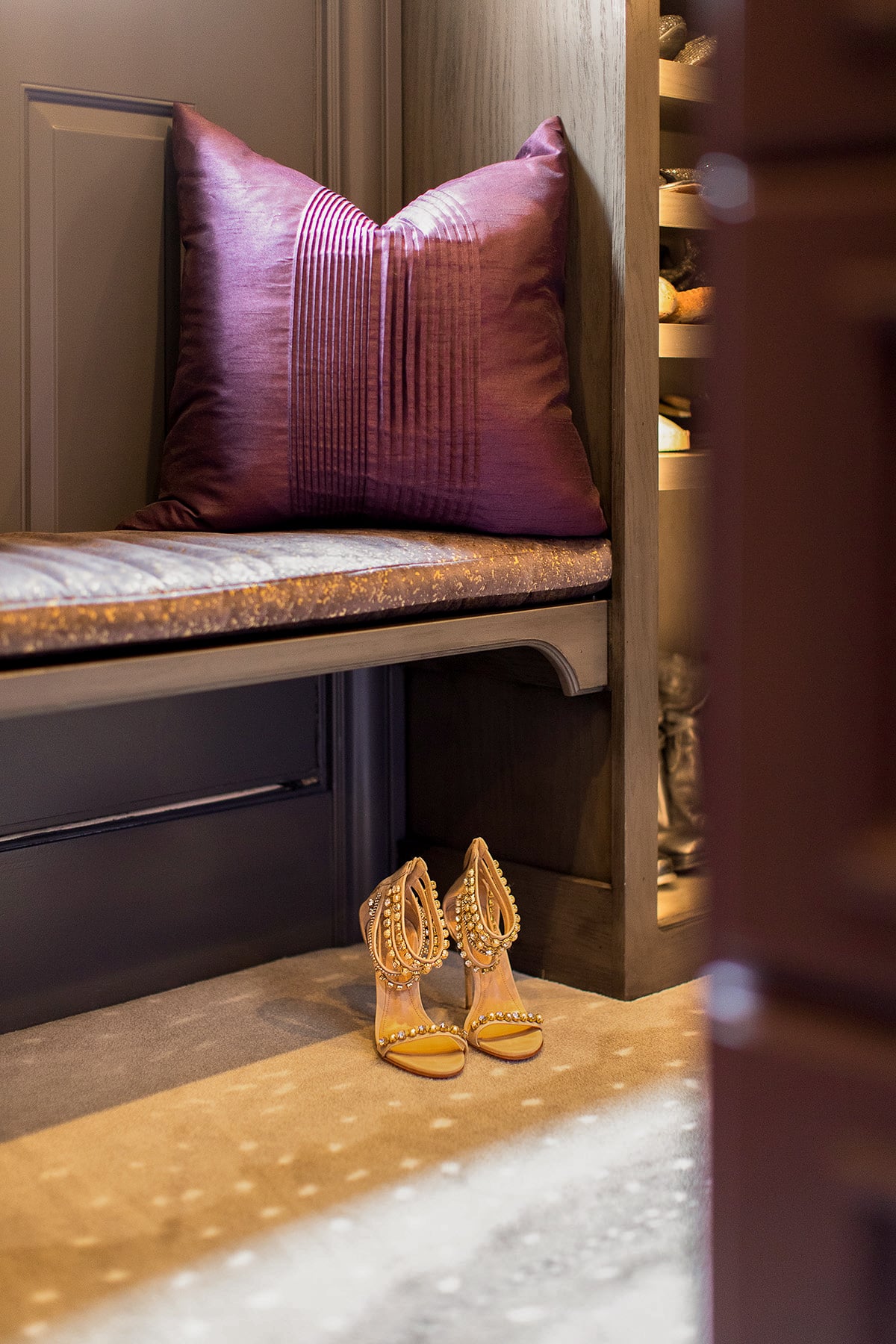
That ambition shows up in the details most projects cut first like tape trims, tassels, and nailhead work run through the soft goods. Every piece of millwork is fully trimmed out, so there isn’t a single raw edge left exposed anywhere in the building. On a project this size, that level of finish is usually the first casualty of a value-engineering pass. At Alamira, Preferred Living championed that extra layer of detail across construction and furniture alike and it’s noticed throughout the space starting the moment residents walk in. This is the kind of attention to detail that sets a project apart from most multifamily work.
None of this would have been possible without coordination nobody sees. Installing a project at this scale directly on top of an active construction schedule meant building a phased delivery plan, mapping out daily installation roles, and tracking subcontractor timelines against a concrete opening date.
In the end, the client reaction was overwhelming, leasing moved fast, and residents from nearby communities paid to break existing leases early just to get in. There’s no coincidence here, it’s what happens when the design wrapper gets treated as seriously as the amenity itself.
Amenities attract, programming retains
Even the best-designed experience amenity is only half of the equation. The highest-performing communities pair their physical spaces with concierge services, events, cocktail hours, and activities that turn the clubhouse into the social center of the building.
What to budget for
Aim for two to three genuine destination amenities that give residents a real reason to use the clubhouse on a random Tuesday afternoon, not just move-in day, and invest equally in the design envelope around those amenities — lighting, finishes, seating, atmosphere — because that’s what turns equipment into experience. Next, plan programming from day one: your clubhouse should have a calendar worth every RSVP before the first resident even moves in.
Ready to build the experience amenities — and the atmosphere around them — that turn a clubhouse into a leasing engine? Let’s talk.