Conversation distance is a real measurement
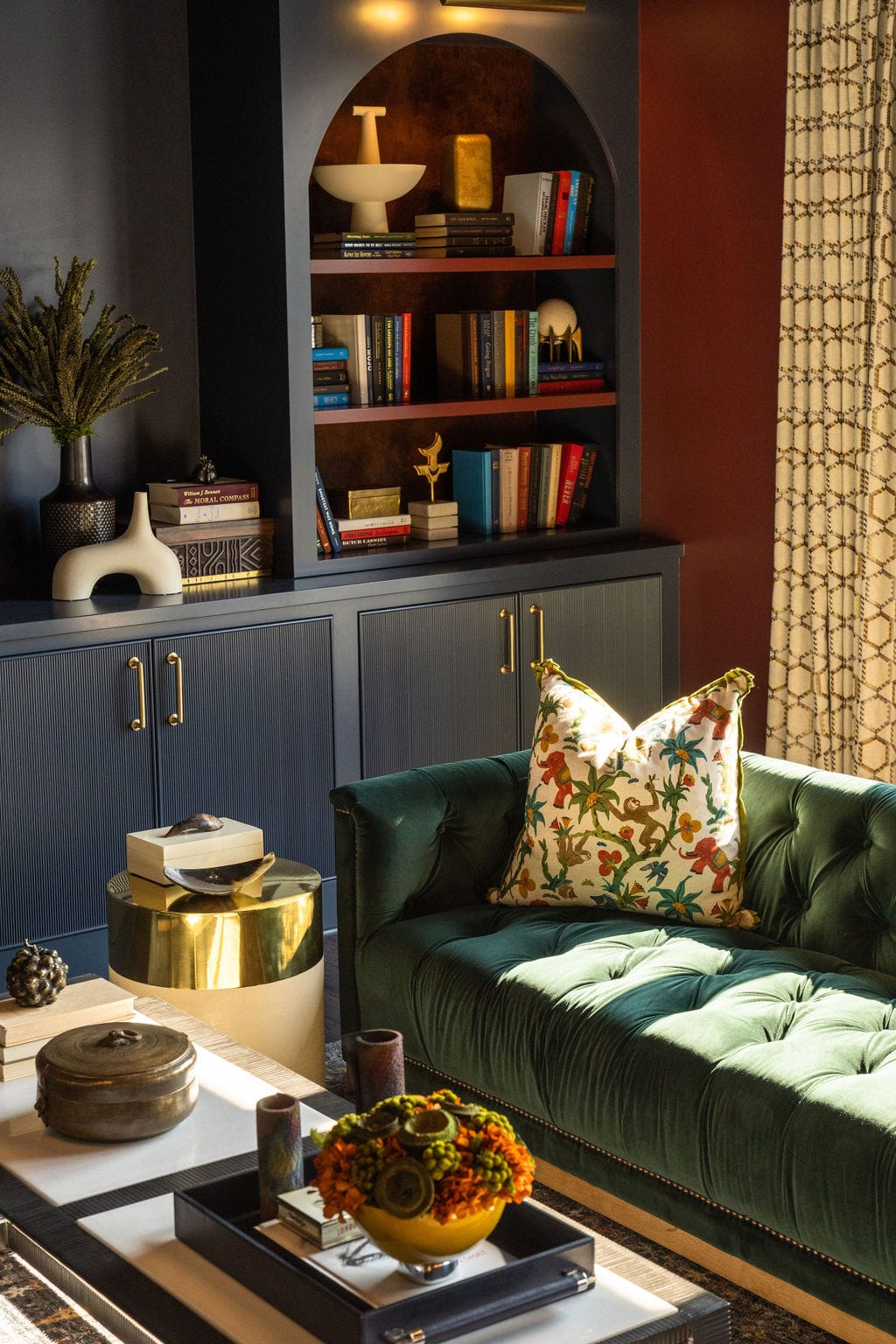
There’s a sweet spot, roughly eight to ten feet, where people can talk comfortably without raising their voices or leaning in. Beyond that, a room starts to split into separate conversations even when everyone’s technically in the same space. If your living room or great room has ever felt oddly disconnected with a full house, distance is usually why, not the layout itself.
One light source flattens a crowded room
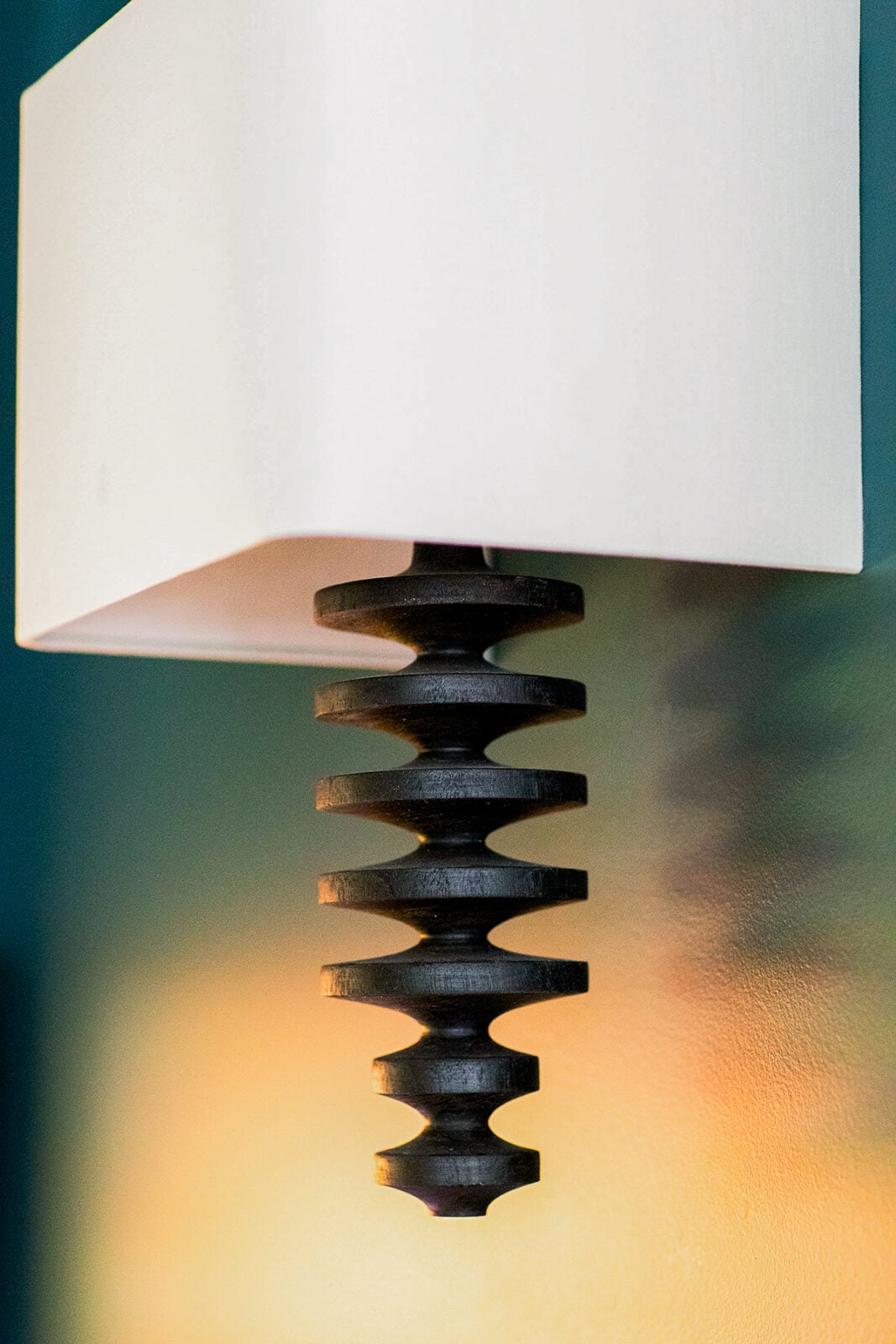
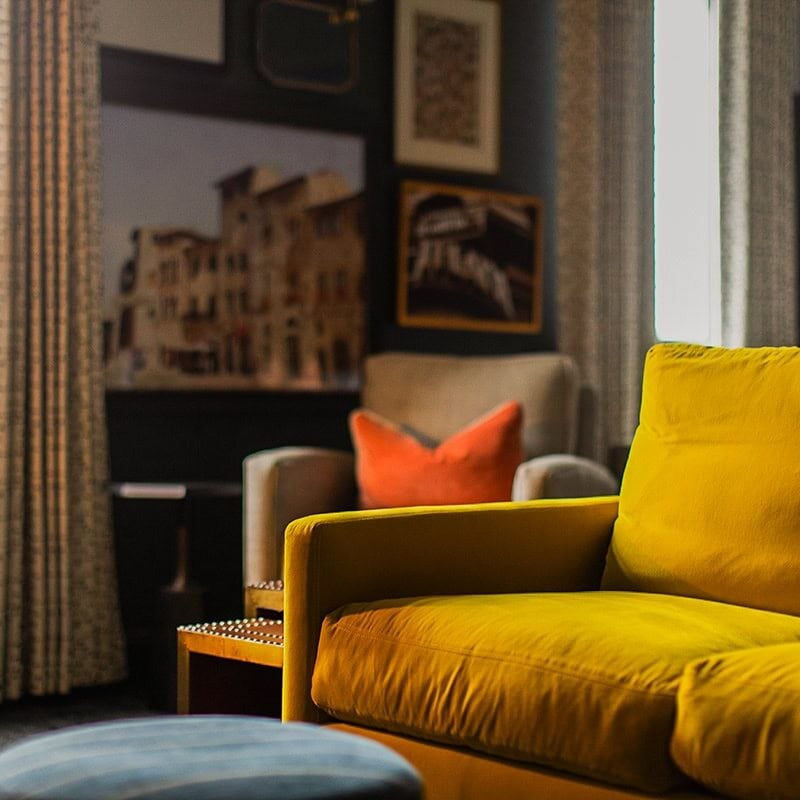
Overhead lighting alone works fine for an empty room. Fill it with people, and it stops doing its job and starts casting harsh shadows, making the space feel exposed rather than warm. The rooms that hold a gathering well almost always have layered lighting like a floor lamp and a few well-placed sconces. When lighting is placed at eye level the room still feels intimate once it’s full.
Soft surfaces change how a full room sounds
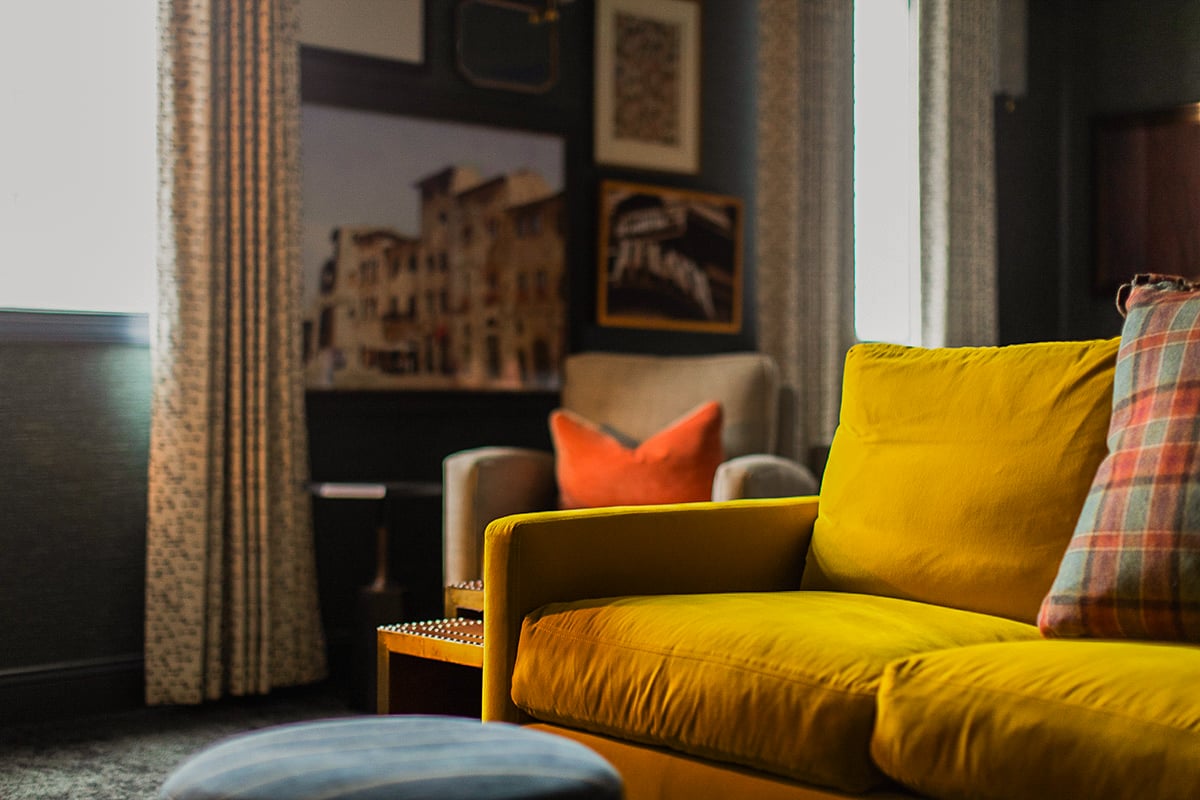
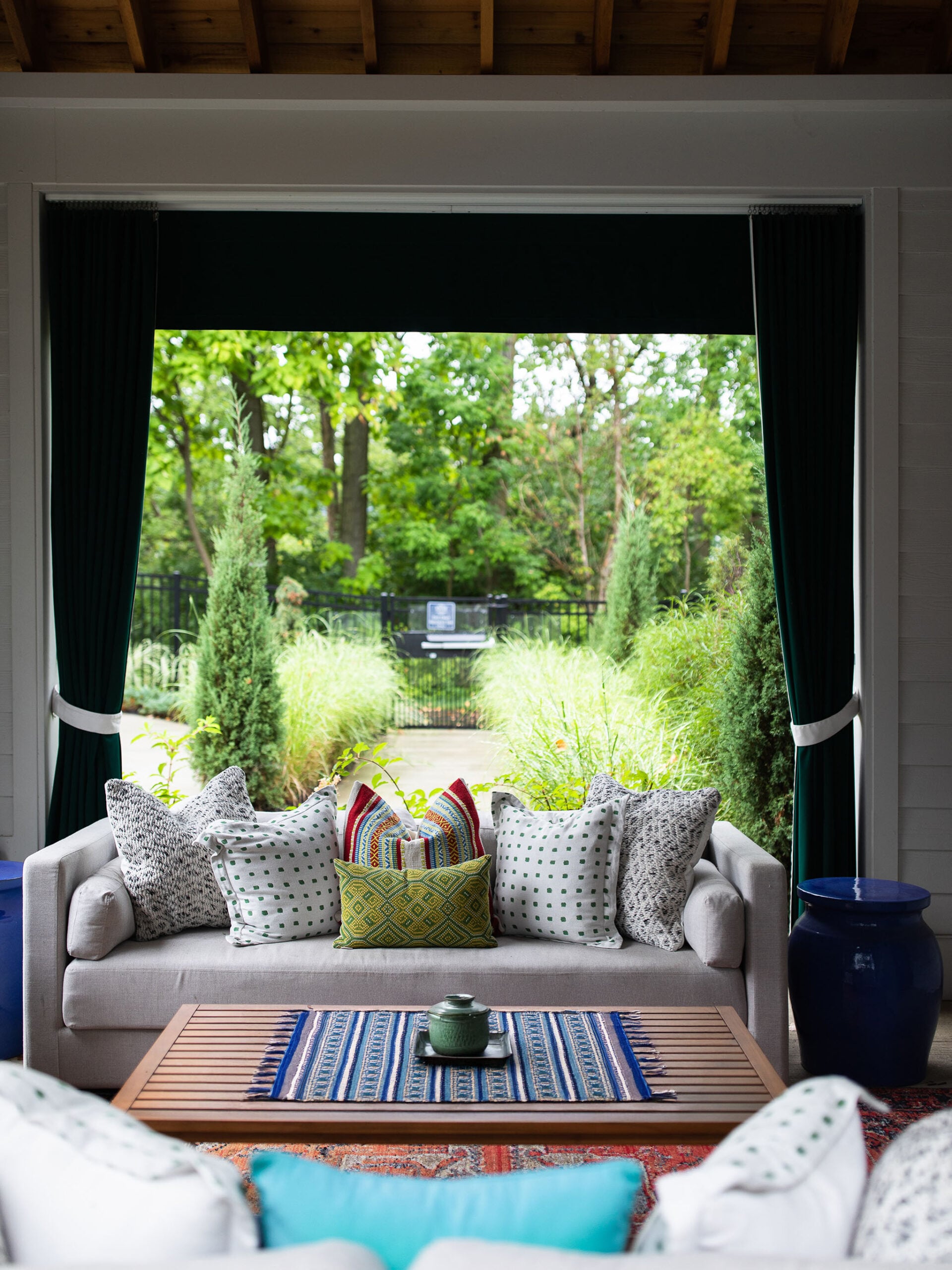
A room with hard floors, bare windows, and little upholstery gets loud fast once it’s full of people. That noise reads as chaos even when the gathering itself is going fine. Rugs, drapery, and upholstered pieces aren’t just visual choices, they do real acoustic work that most people don’t notice until it’s missing.
If your space has never quite felt like the gathering spot you pictured, it’s rarely about needing more room, it’s usually one of these three things.