The math doesn’t work the way people assume
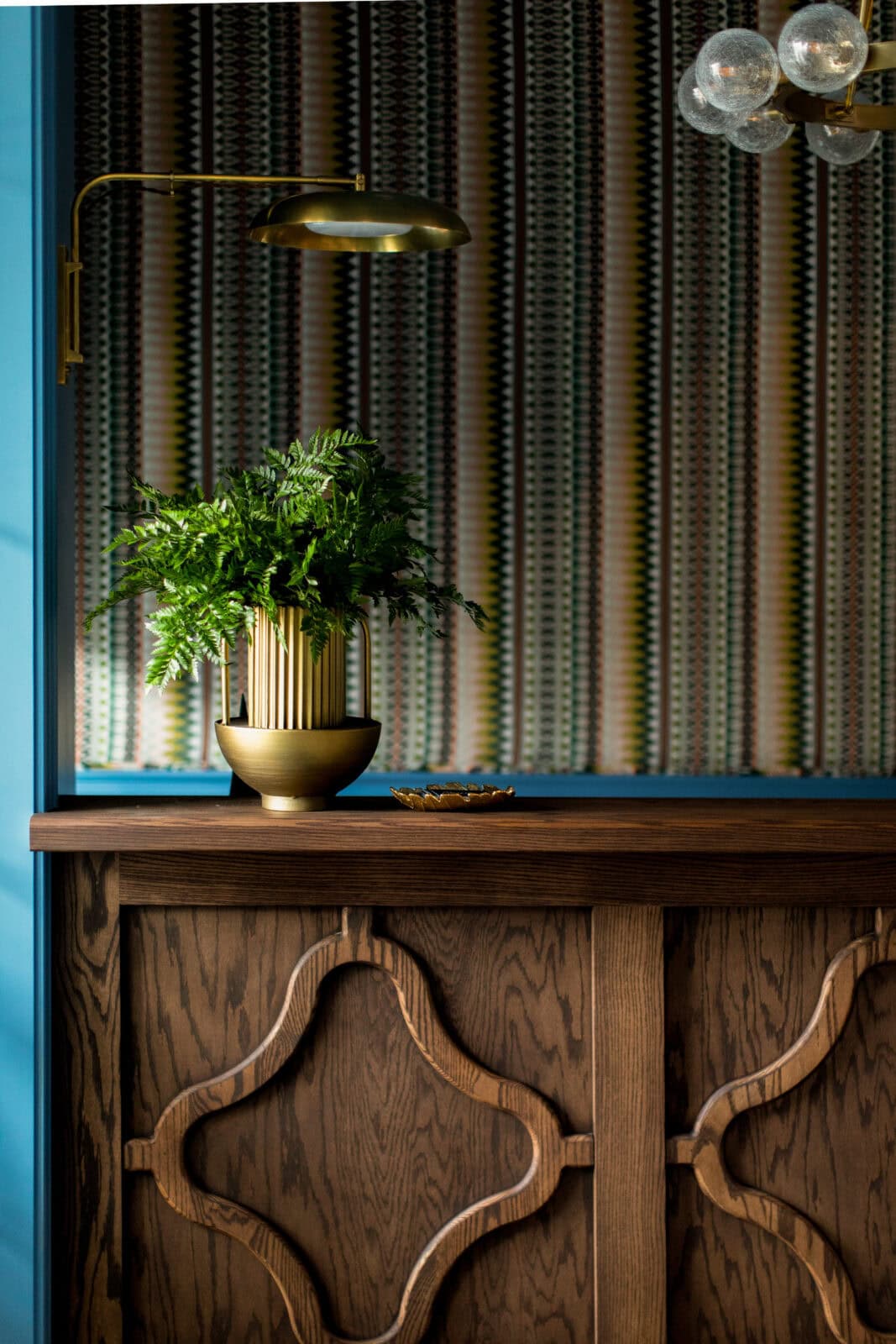
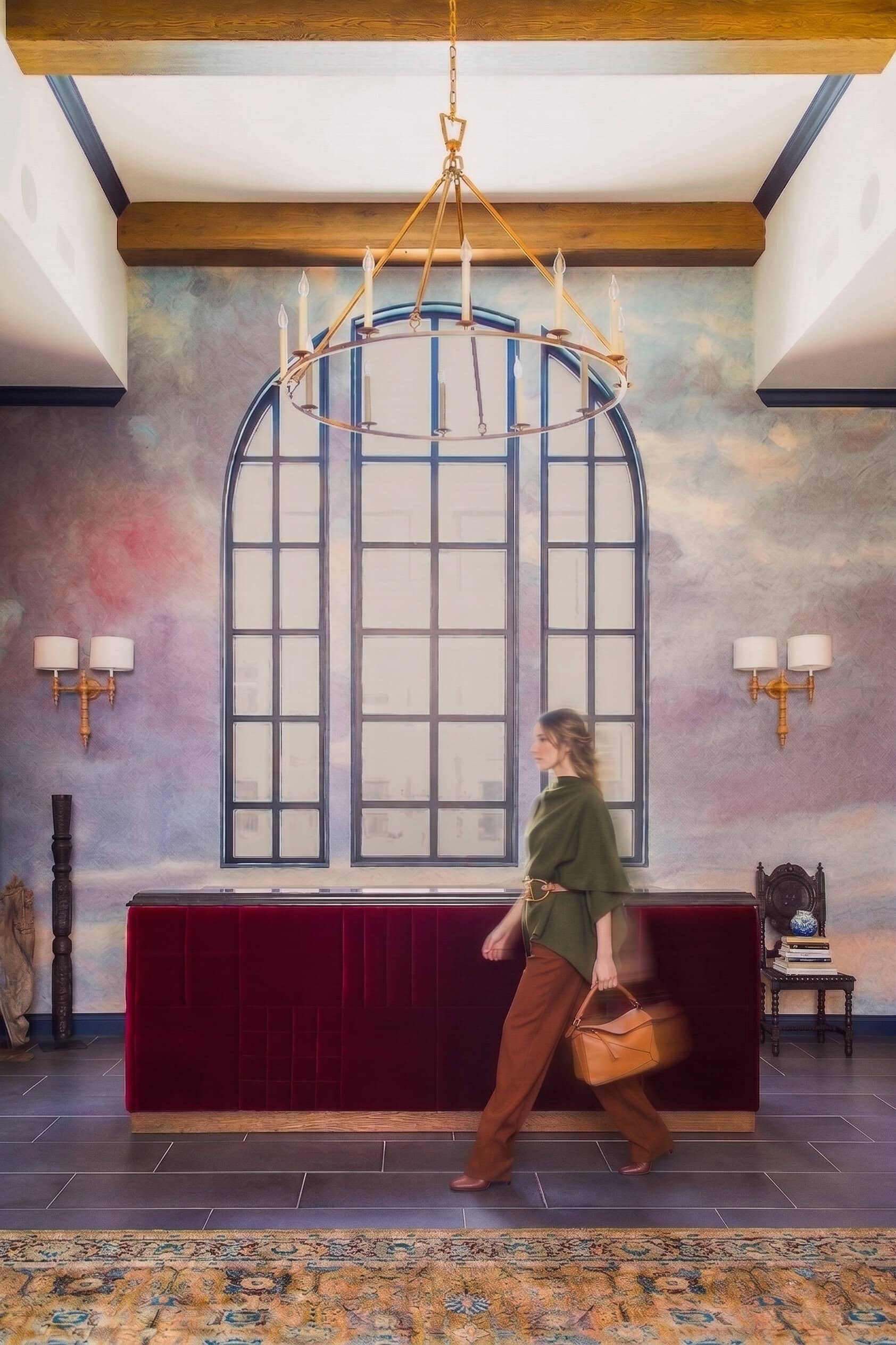
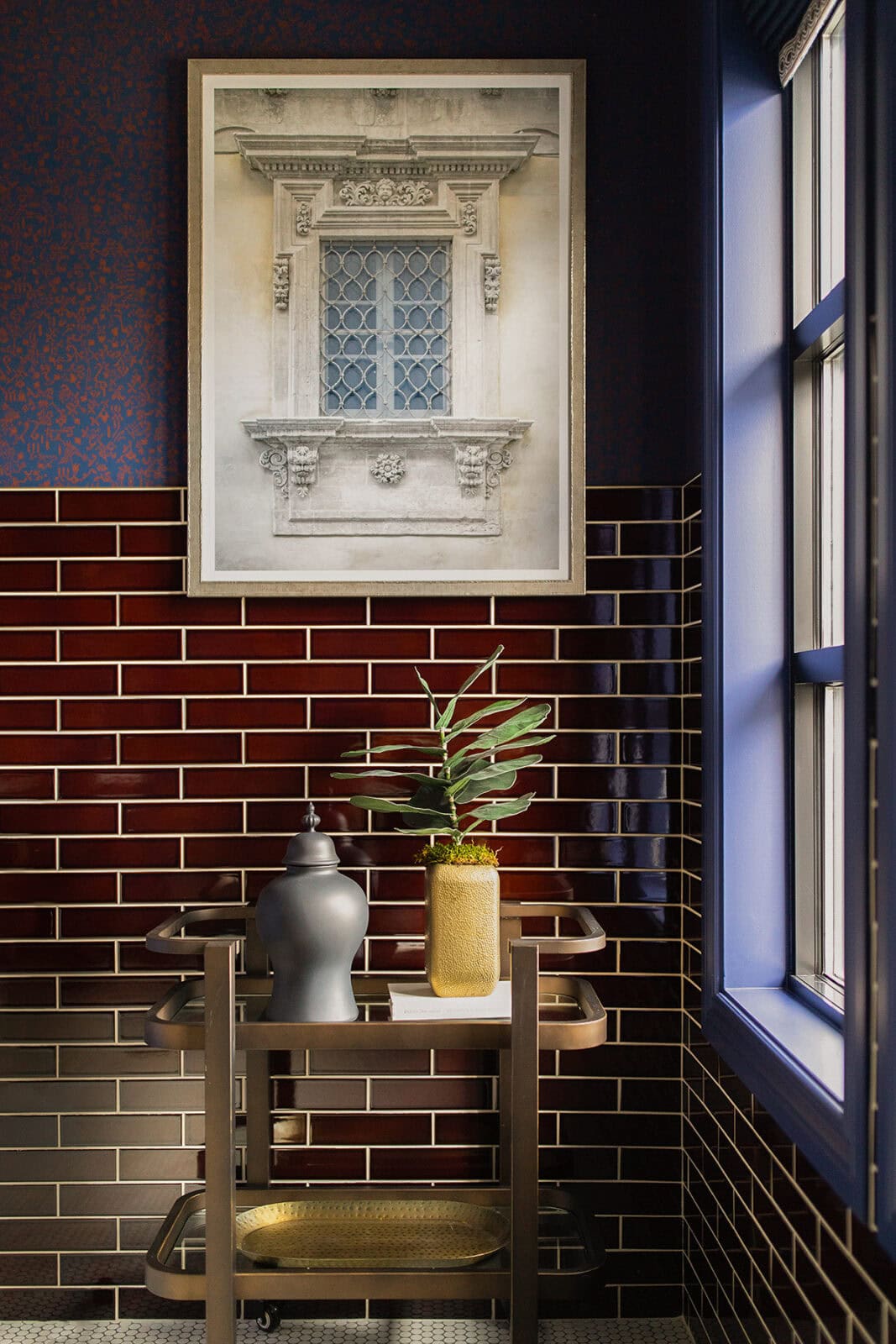
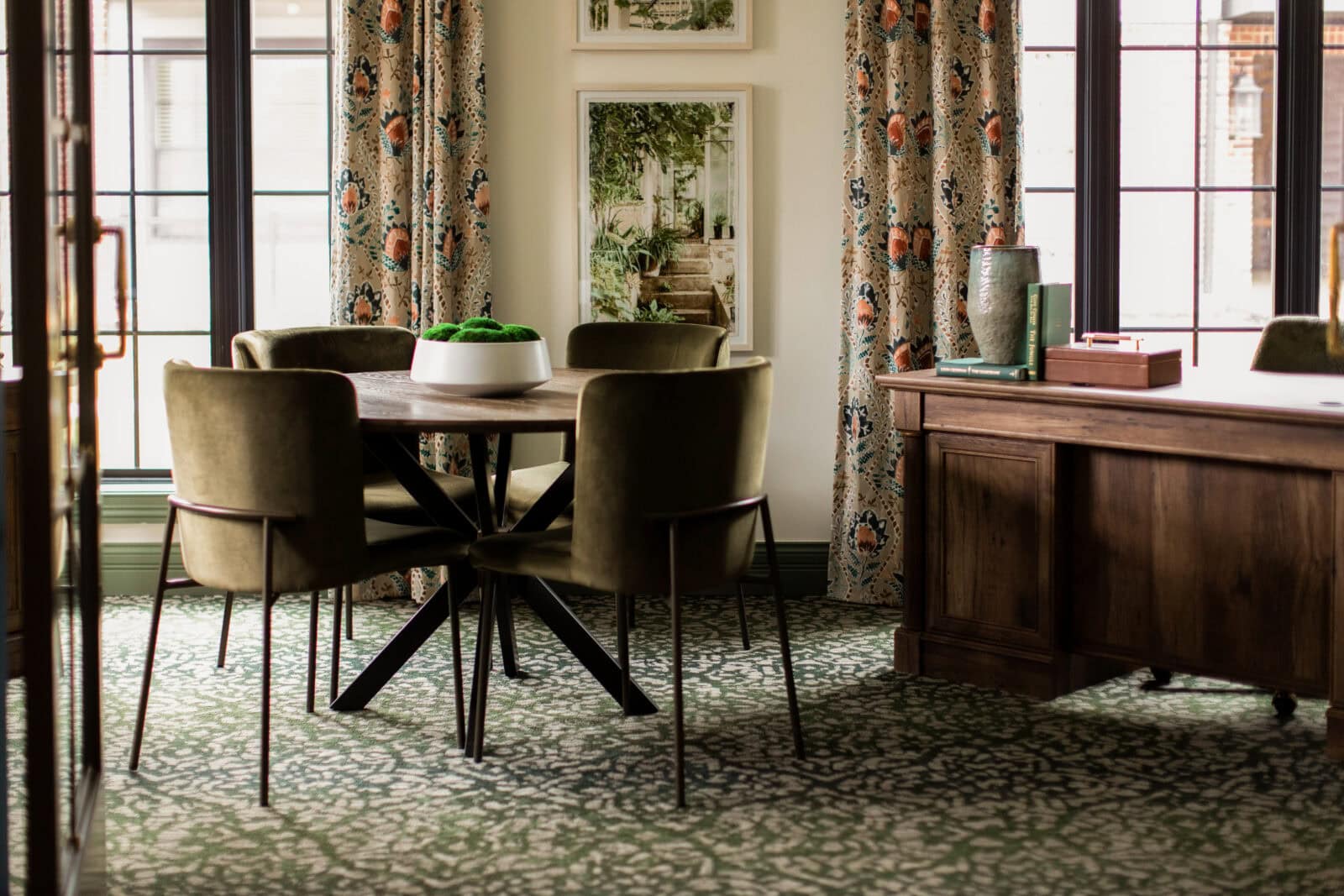
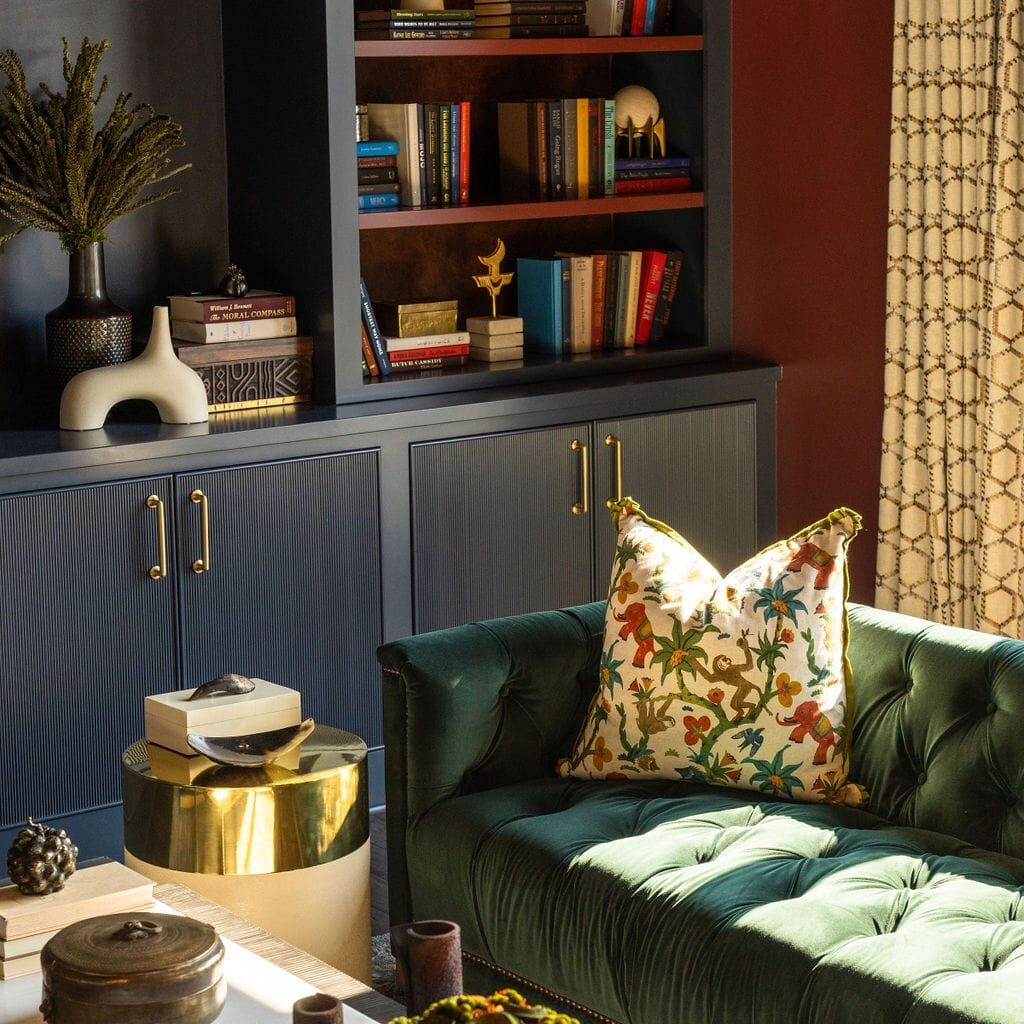
The math doesn’t always work the way people assume. A $15,000 wallcovering investment in a lobby accent wall can sometimes do more for leasing conversion than a $50,000 piece of gym equipment sitting in a back corner. Tile, quartz, custom millwork, curated art — these are what create the visual hierarchy that makes a prospect slow down and look again. Big-ticket amenities photograph well in a proposal deck but the finishes are what a resident touches every single day.
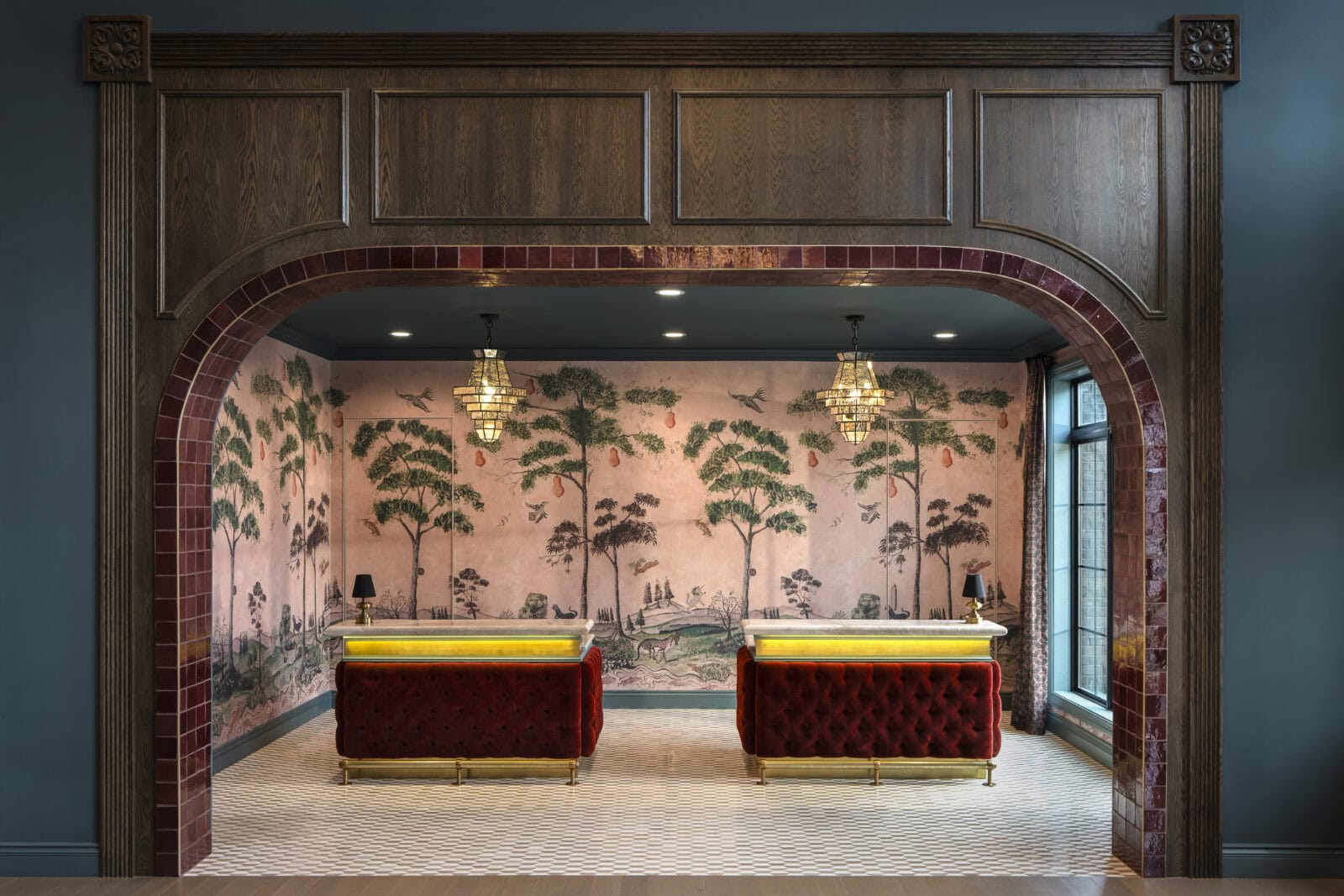
The era of crisp white commercial interiors is over
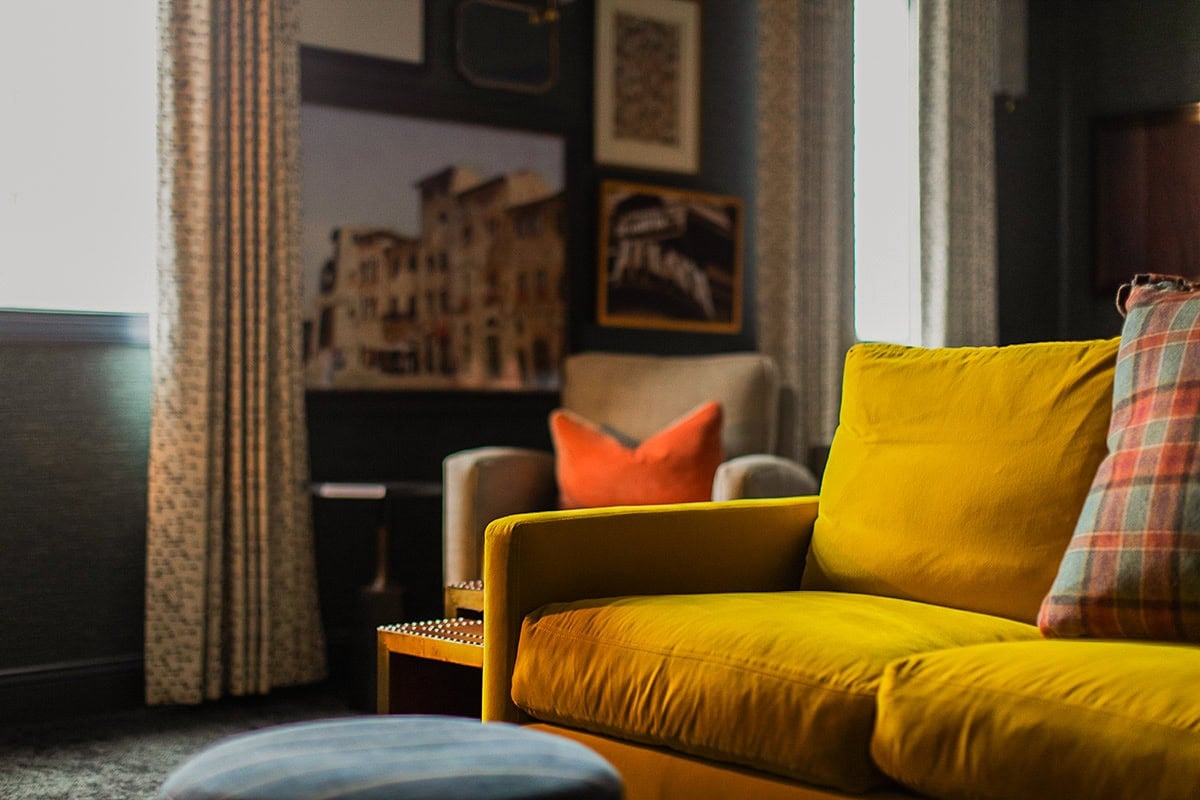
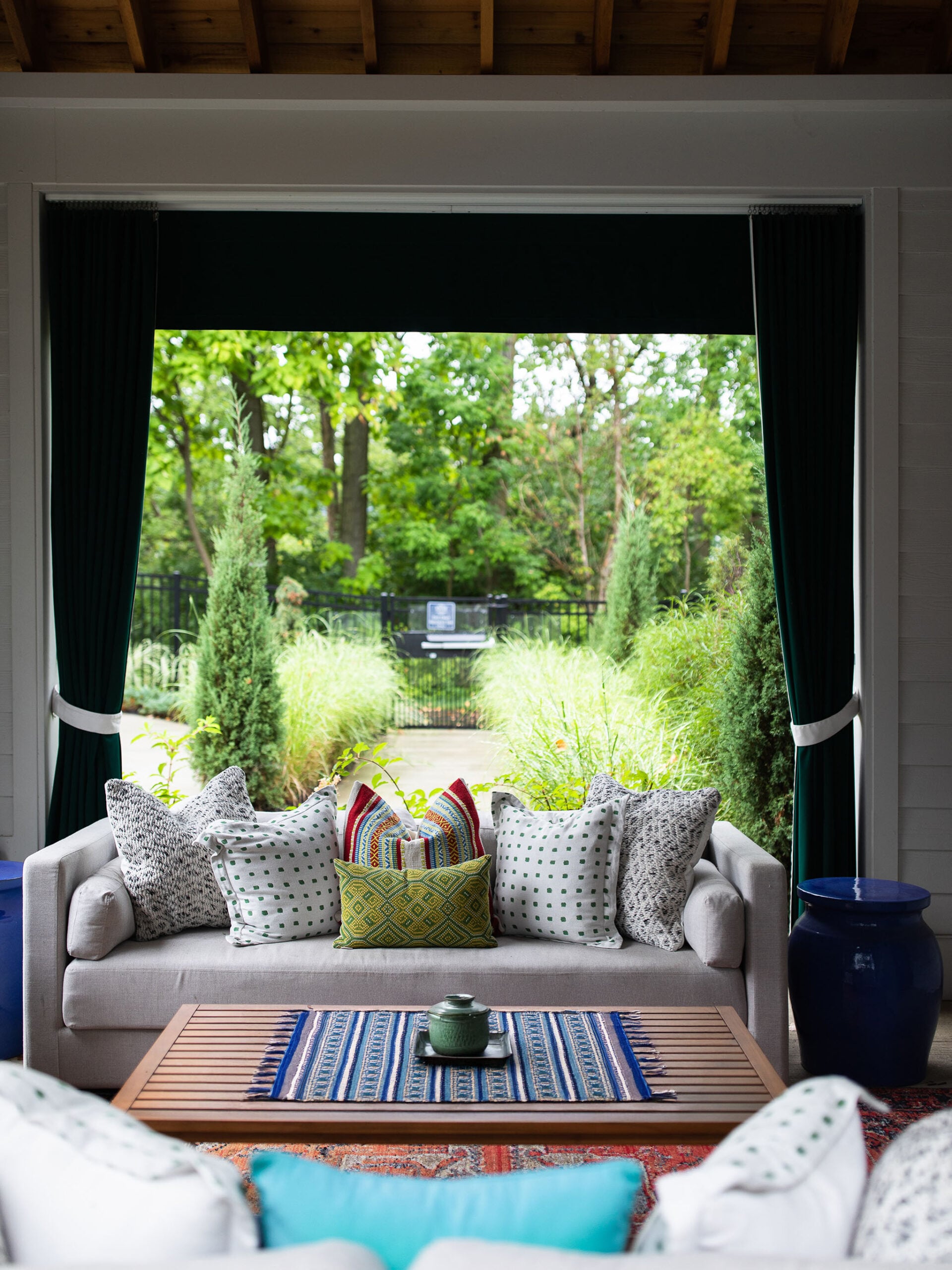
Warm neutrals, layered textures and materials that feel grounded and built to last is the palette that’s closing deals in 2026, and it’s a deliberate move away from the flat, sterile commercial look that used to define multifamily amenity spaces. The skimp is always visible and every surface a resident touches is telling them a story — either that someone cared deeply about this space, or that someone cut corners.
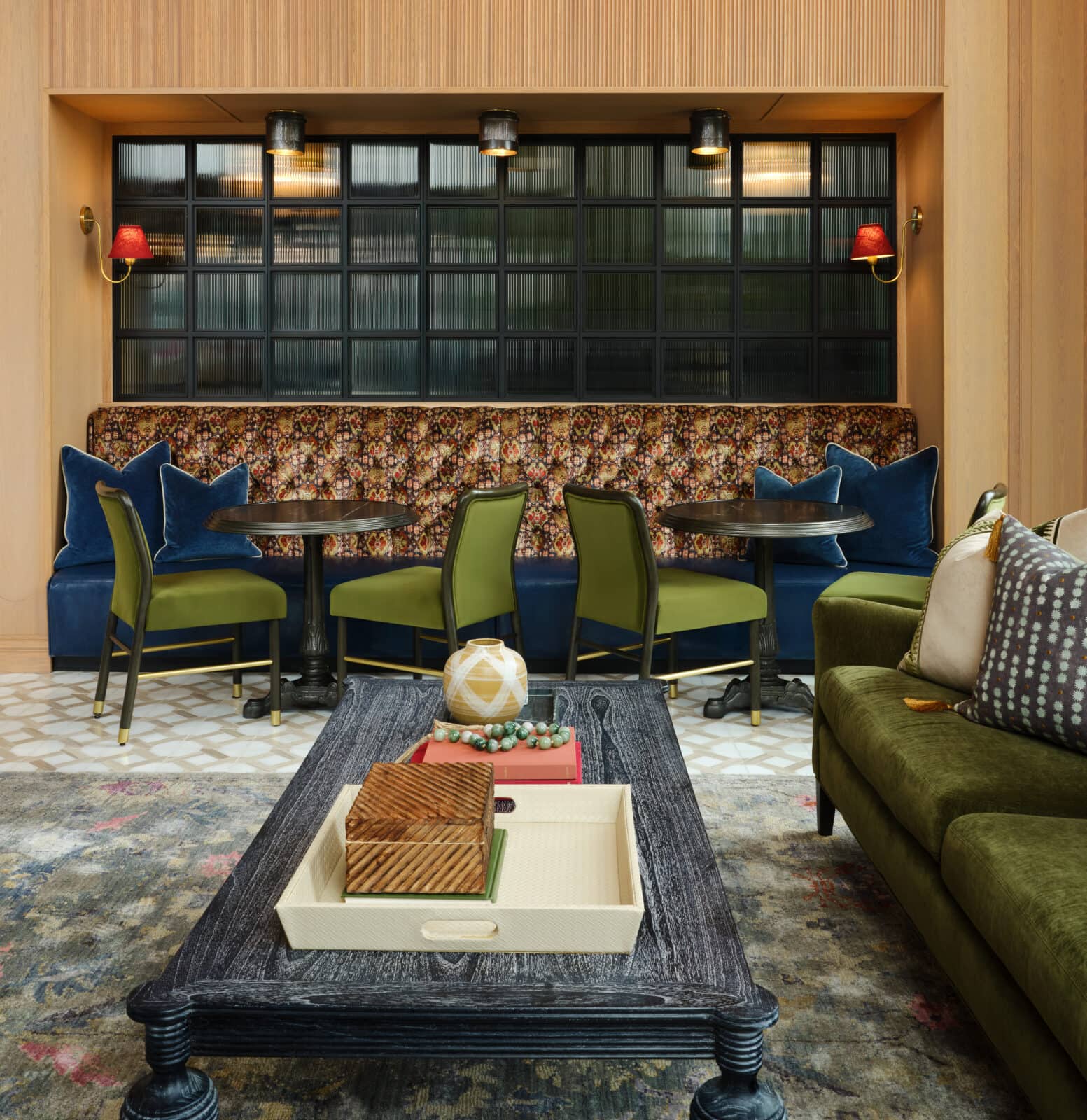
Protect the materials budget like a structural line item
It’s tempting to treat finishes as flexible — the place to trim when a budget gets tight but that’s backwards. Materials should be protected the same way structural costs are protected because they’re doing similar work: holding the whole experience together. If cuts have to happen, prioritize wallcovering, millwork, and texture in the three zones every prospect sees first — the lobby, the leasing area, and the main gathering space.
Fewer spaces, finished beautifully
The single clearest principle in this whole conversation: fewer spaces finished beautifully will always outperform more spaces finished cheaply. It’s a smaller list, executed at a higher standard, rather than a longer list that reads as generic the moment someone walks through.
Crimson Design Group protects the finishes that actually move leasing decisions. If your materials budget needs an advocate, let’s talk.